
Comparison
Acne scars vs acne marks
These terms are often mixed up, but they behave very differently. Here is how to tell them apart and what that means for the options worth comparing.
Quick verdict
Acne marks are flat colour changes left after a spot heals — red, pink or brown patches on the surface. Acne scars are texture changes: pits, bumps or raised areas where the skin structure has been altered. Marks often fade with time and over-the-counter actives; scars usually need professional assessment because at-home products have limited effect on true scarring.
Side by side
 Acne scars Concern | 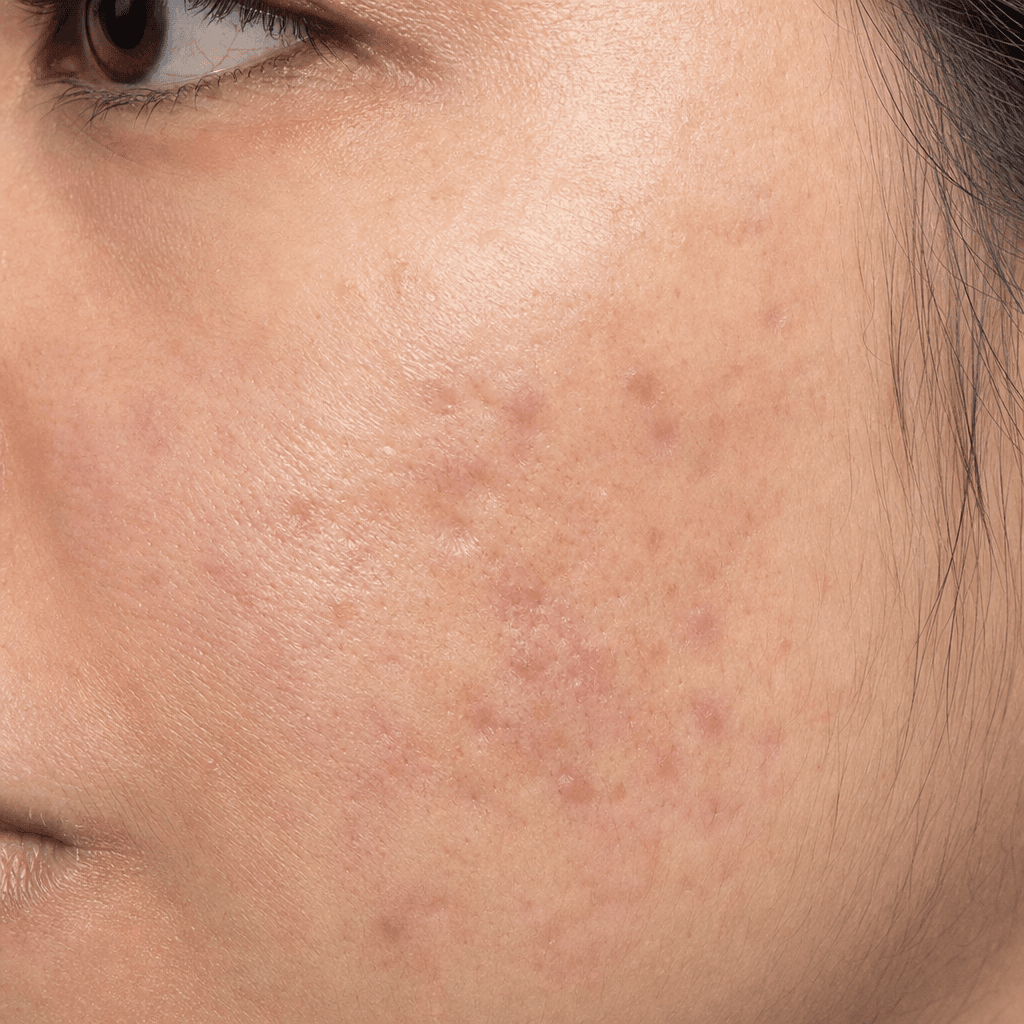 Acne marks Concern | |
|---|---|---|
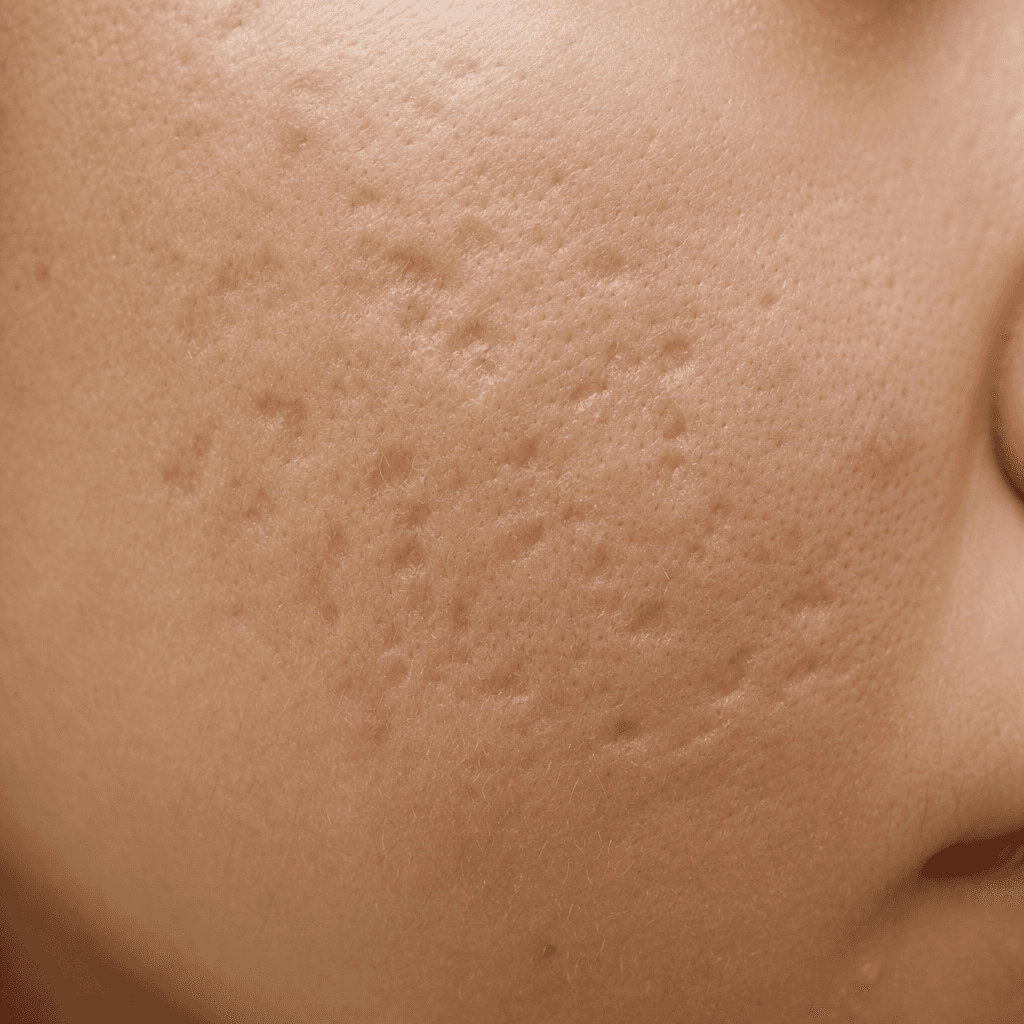
| Summary | Texture changes (pitted or raised) from acne. Usually needs professional assessment. | Flat red or brown marks left after a pimple heals. Not the same as indented scars. |
| Overview | Acne scars change the texture of skin (pitted, raised or rolling). Flat colour changes after spots are usually called marks, not scars. The options worth comparing differ. | Acne marks are flat discolouration left after a pimple heals. They are not the same as indented scars. Red marks (PIE) and brown marks (PIH) fade at different speeds depending on your skin and sun exposure. |
| What you might notice | Indentations or uneven texture after breakouts, Raised or keloid-type areas on some skin types, Colour may be normal but the surface feels different | Flat pink, red or brown patches where spots used to be, Marks that linger weeks after the bump is gone, Darkening in sun without daily SPF |
| Common approaches | In-person dermatology assessment for scar type, Prescription retinoids or procedures discussed by a specialist, Managing active acne first so new scars are less likely | Daily broad-spectrum sunscreen, Azelaic acid, niacinamide or vitamin C serums (introduce one at a time), Gentle routine while active breakouts are still happening, Professional advice if marks are widespread or lasting many months |
| When to seek help | Scarring usually needs professional assessment. Over-the-counter products alone may not change texture significantly. | Speak to a dermatologist or doctor if marks are deep, widespread, or you are unsure whether you have marks versus scars. |
Detailed comparison
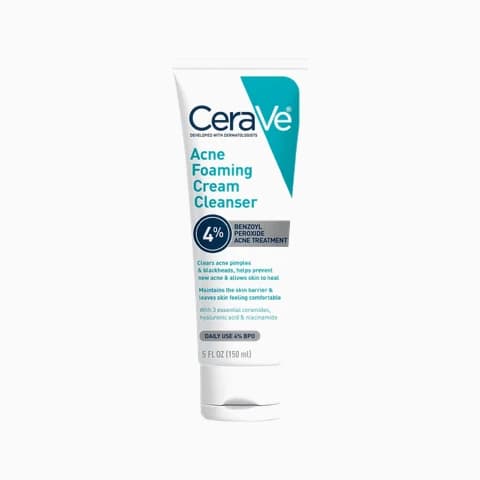
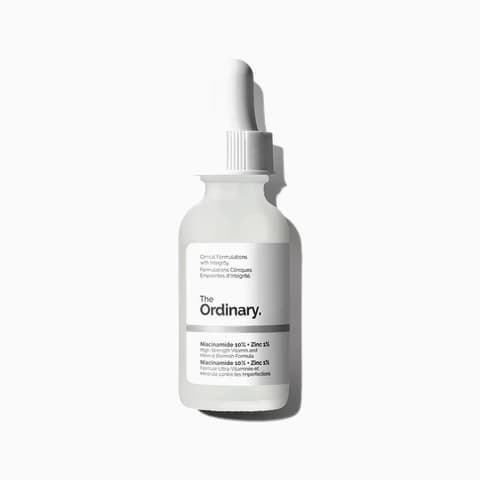
Post-inflammatory marks (sometimes called PIE or PIH) sit on top of otherwise smooth skin. They are common after breakouts and are often discussed alongside ingredients such as azelaic acid, niacinamide and vitamin C, plus daily SPF.
Acne scars change how the skin feels, not just how it looks. Indented ("ice pick" or "boxcar") scars and raised keloid scars are different problems from a flat brown mark. Retinoids and in-clinic procedures are more often part of that conversation than a single spot gel.
Calling every dark patch a "scar" leads people to buy the wrong products. If you are unsure which you have, a pharmacist or dermatologist can help you tell the difference.