

Comparison
Blue light therapy vs topical acne treatment
How do light-based options compare with more established topical routes? Evidence and suitability vary.
Quick verdict
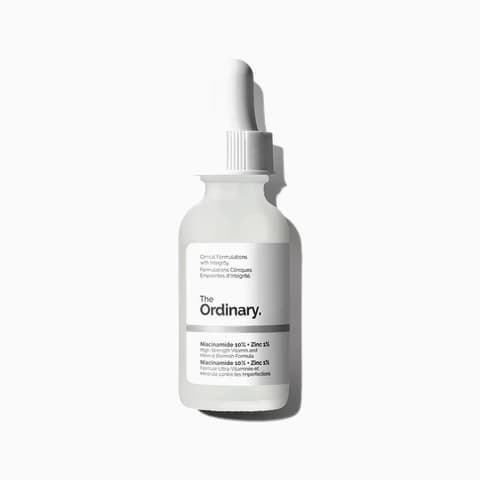
Over-the-counter topicals — cleansers, gels, patches and retinoids — are the established first step most people compare for mild acne and occasional spots. Blue light therapy (at-home devices or in-clinic) is sometimes discussed as an add-on, but evidence and results vary more than with proven topical actives. For most people, a consistent topical routine with ingredients such as benzoyl peroxide, salicylic acid or adapalene is the more predictable starting point.
Side by side
Light therapy Treatment route | Over-the-counter topicals Treatment route | |
|---|---|---|
| Overview | At-home or in-clinic light-based options sometimes discussed for acne. | Drugstore and pharmacy products you can buy without a prescription for mild acne and breakouts. |
| What it involves | Using LED or other light-based devices, or in-clinic treatments. Evidence and suitability vary. Usually compared alongside established topical routes rather than as a first step. | Using cosmetic or OTC products such as cleansers, gels, patches and spot treatments as part of a routine. Many people start here for occasional pimples or blackheads before moving to prescription options. |
| Relevant concerns | Occasional pimples | Back acne, Body acne, Occasional pimples, Blackheads, Whiteheads |
Detailed comparison
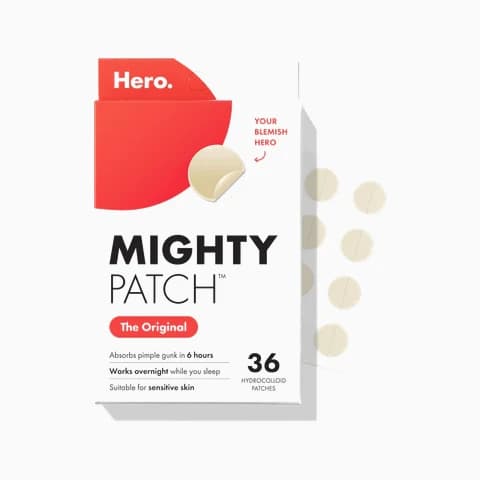
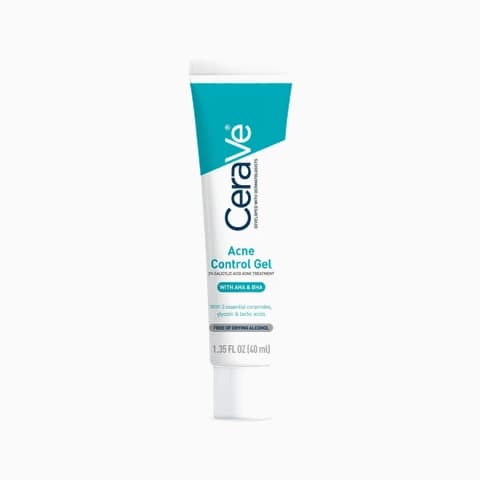
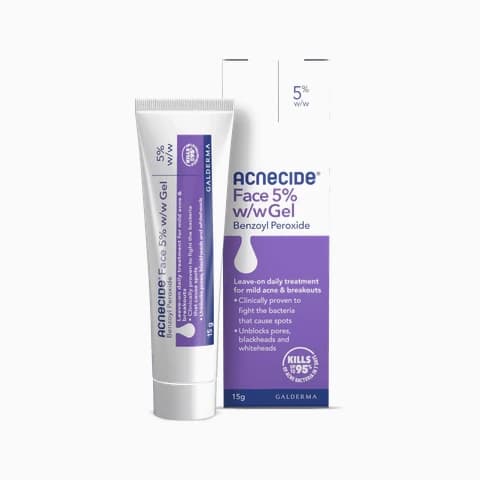
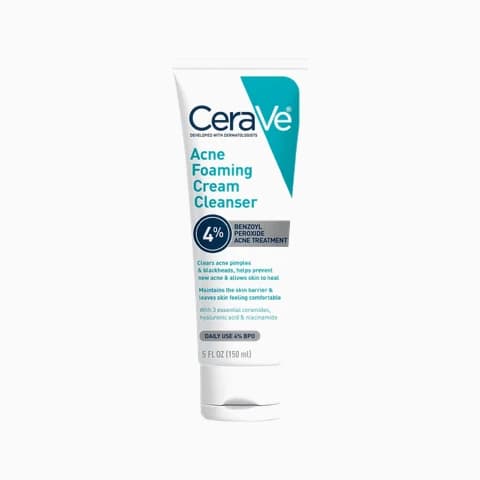
OTC topicals include pharmacy and drugstore products you can buy without a prescription: benzoyl peroxide gels, salicylic acid exfoliants, hydrocolloid patches and adapalene in some markets. They have decades of use and clear guidance on how to introduce them.
Light therapy uses specific wavelengths of light, often blue or red, to target acne-related bacteria or inflammation. At-home masks and wands vary in strength and study quality. In-clinic light treatments may be offered by dermatologists as part of a wider plan.
Light-based options are usually compared alongside topicals rather than instead of them. If breakouts persist after a fair trial of topicals, a pharmacist or dermatologist can help you decide next steps.