
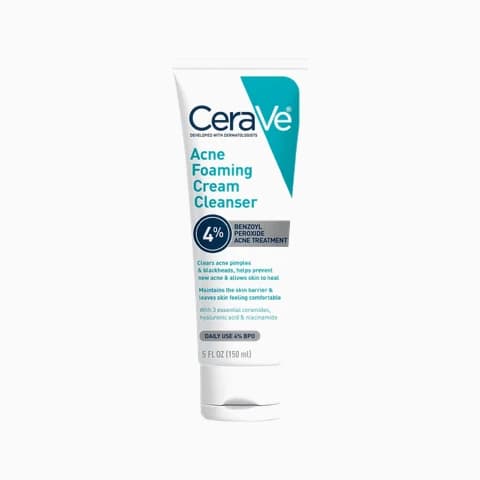
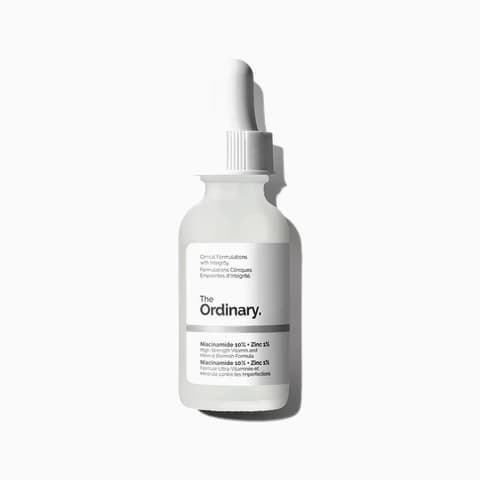
Comparison
Benzoyl peroxide vs salicylic acid
Two of the most common over-the-counter acne ingredients, often used for different types of spots.
Quick verdict
Benzoyl peroxide is usually the first comparison for inflamed, red spots because it targets acne-causing bacteria. Salicylic acid is often the better fit for clogged pores, blackheads and oily, congested skin because it is oil-soluble and works inside the pore. Many routines use one or the other — not both on the same night at full strength when you are starting out.
Side by side
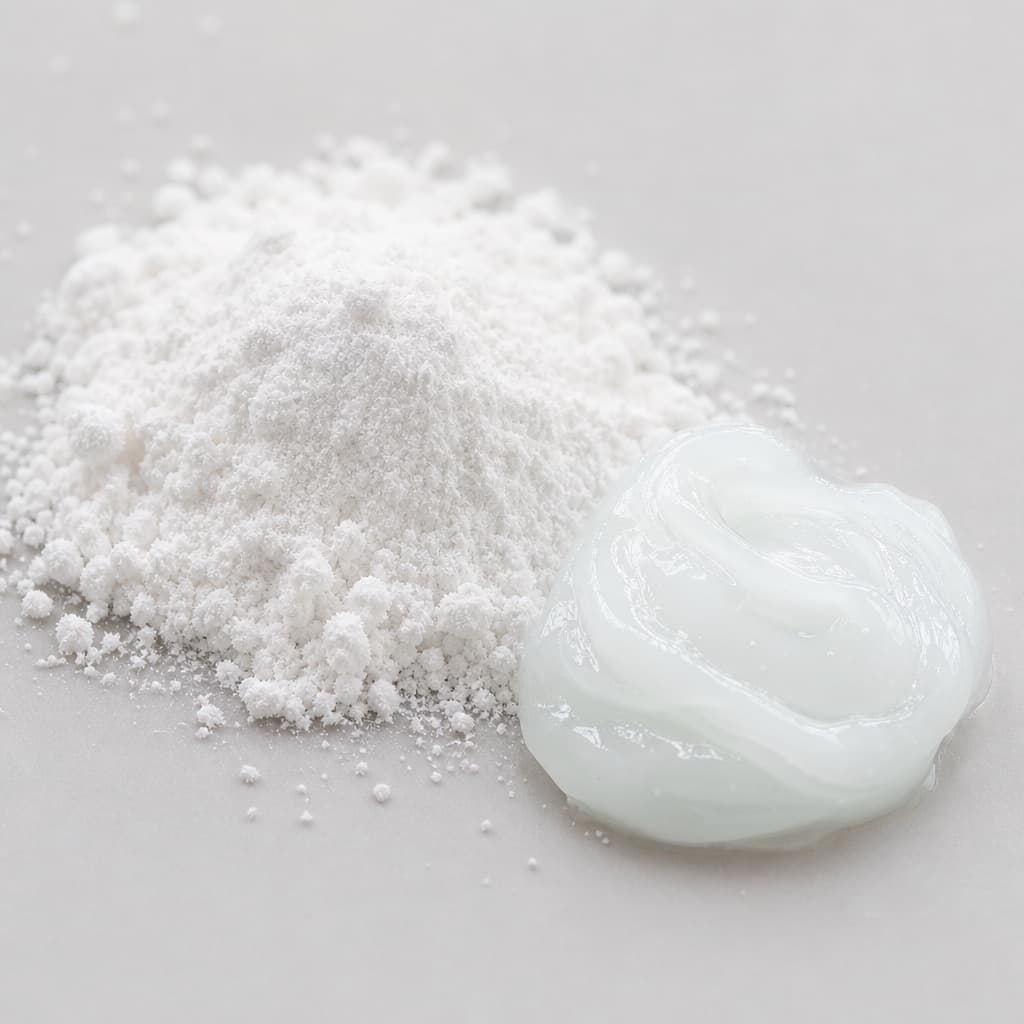 Benzoyl peroxide Ingredient | 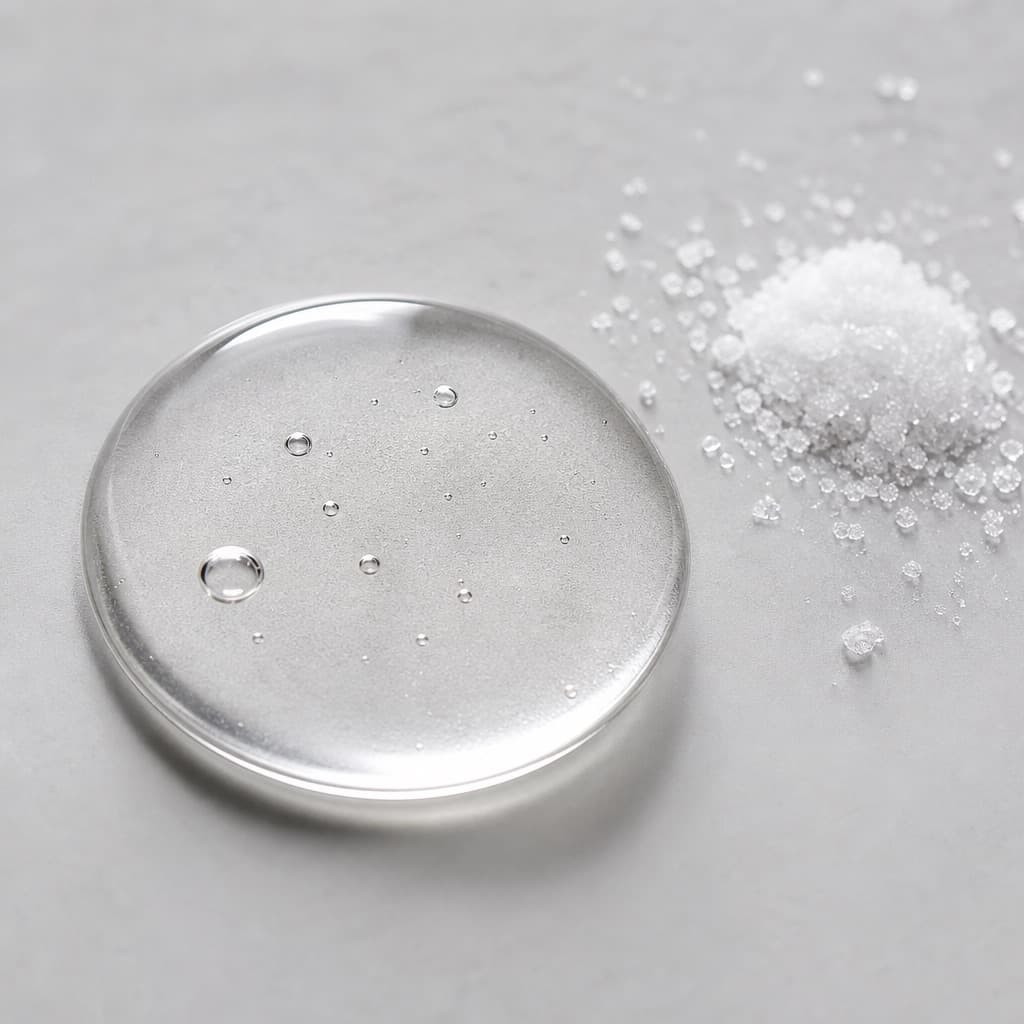 Salicylic acid Ingredient | |
|---|---|---|
| Also known as | BPO | BHA, Beta hydroxy acid |
| Often used for | Back acne, Body acne, Occasional pimples | Back acne, Body acne, Shaving bumps, Occasional pimples, Blackheads, Whiteheads |
| What to know | One of the most studied over-the-counter acne ingredients. Typical strengths are 2.5–10%. Can cause dryness and irritation, and may bleach fabrics until fully dry. | Commonly used at 0.5–2% in leave-on products and cleansers. Works by exfoliating inside the pore lining. Often compared with benzoyl peroxide for inflamed spots. |
Detailed comparison
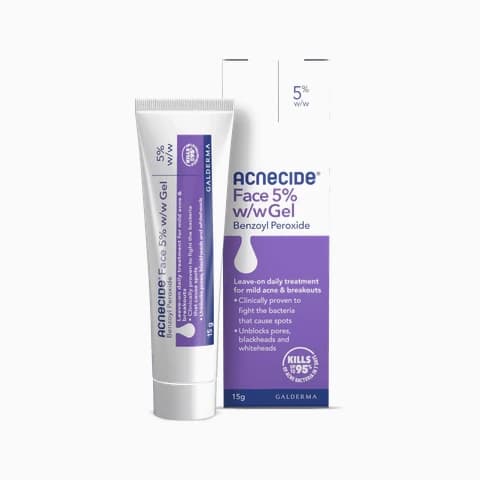
Benzoyl peroxide is an antibacterial that also helps shed surface skin cells. It is common in leave-on gels and washes at roughly 2.5–10%. It can bleach fabrics and may cause dryness or irritation when introduced too quickly.
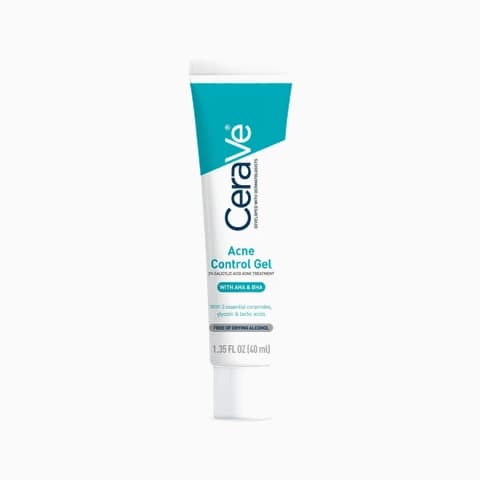
Salicylic acid is a beta hydroxy acid (BHA). It can penetrate oil in the pore, which is why it is often discussed for blackheads and rough texture. It appears in cleansers, toners and leave-on products, commonly at 0.5–2%.
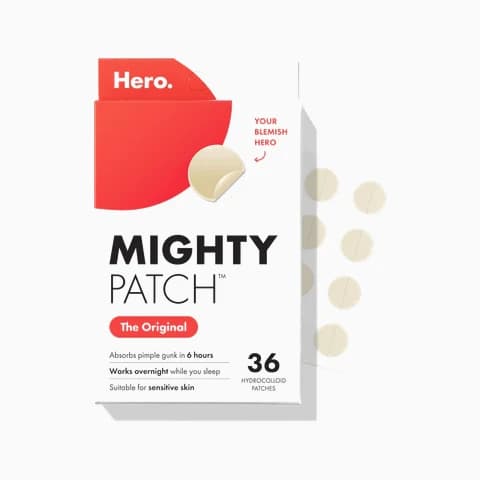
Neither ingredient suits every spot type. Patches and hydrocolloid stickers address a different job entirely — covering a surfaced spot rather than treating congestion across the face.